
Medical research is one of the most important aspects of our society. By reading more about medical research, we can learn about new treatments and cures for diseases. We can also learn more about how to stay healthy and prevent illnesses from occurring. In this post, we will discuss some of the reasons why everyone needs to check more about medical research.
It Can Save Your Life
 There will be times when you or a loved one is diagnosed with a disease or condition. By reading about medical research, you can learn about the latest treatments and cures that are available.
This knowledge can help you make informed decisions about your treatment options. It can also give you hope during difficult and trying times like today, so always ensure that you get your daily dose of the latest medical research today to know what is up!
It’s Interesting
Lastly, reading about medical research can be interesting. It can help you to understand the human body and how diseases occur. You can also learn about the latest discoveries in the medical field. Reading about medical research can help to make you more informed about your own health and the health of those around you. Plus, people would find you attractive because you know a lot of unique facts that they don’t!
You Can Help Advance Medical Research
 By reading about medical research, you can also help to advance the field. By sharing information with others, you can help to raise awareness about critical medical issues.
You can also provide valuable feedback to researchers who are working on new treatments and cures. Your input can help to improve the quality of medical research overall and advance the intellectual properties we have today in the medical field.
It’s Beneficial for the Mind
As we get older, we are becoming lazier to read and train our cognitive abilities, which can lead to a cognitive decline. A great way to keep our minds sharp is by reading about medical research since it requires us to process and remember new information. This can help improve our memory and critical thinking skills, ultimately reducing the risk of us contracting Alzheimer’s disease or dementia.
The Bottom Line
So, there you have it! These are just a few reasons why everyone should read more about medical research. By doing so, we can all benefit in many different ways. Now, what are you waiting for? Start reading today!

 As a customer, you’re undoubtedly aware of the perils of identity theft along with the devastating impacts it may have on your fiscal wellbeing devoting bank balances, credit ratings, along with your capacity to borrow. However, are you as comfortable with all the dangers posed by medical identification theft? You ought to be, considering that over two million Americans are victims of the escalating crime, as stated by the Medical Identity Theft Alliance (MIFA).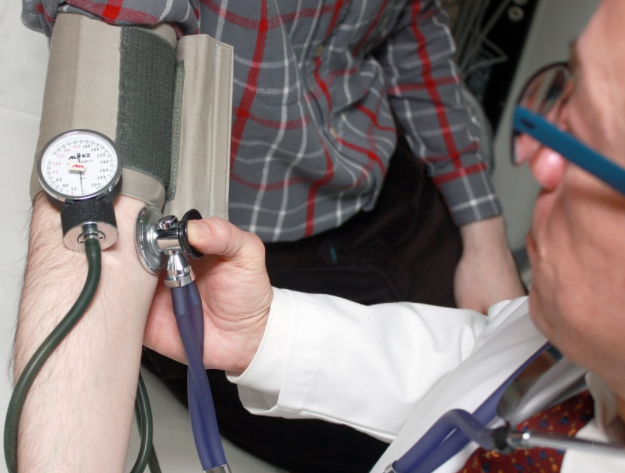
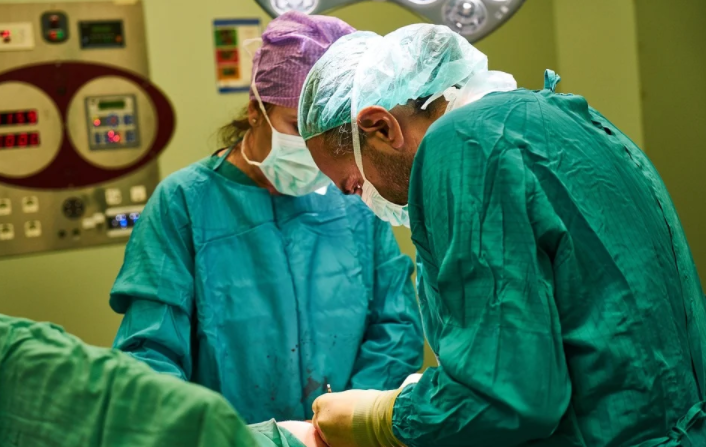
 One of the essential aspects of individual commitment is the opportunity to engage with the person. Patient satisfaction programs are simply an approach to achieving this particular goal. By looking at these patients’ habits who have visited your practice, you can get an accurate picture of how long they stay in practice and how they receive treatment. The information gathered during visits could serve as a basis for designing a program that satisfies patients. One great idea is to ask patients to evaluate your clinic based on their overall experience. When patients complete the questionnaire, you will see their responses and adjust their personal satisfaction programs accordingly.
 Patient participation cannot be improved without improved communication. Employees must have some form of guidance on individual communication to involve patients in the process effectively. You should also provide an open discussion forum for both staff and patients and provide literature to help patients understand what you are talking about. You should keep your patients informed because you can, even when they are not in your office. This usually means that you need to have an online resource that you can use to educate the person. Ensure that your website is very easy to navigate and that your contact number and email address are accessible.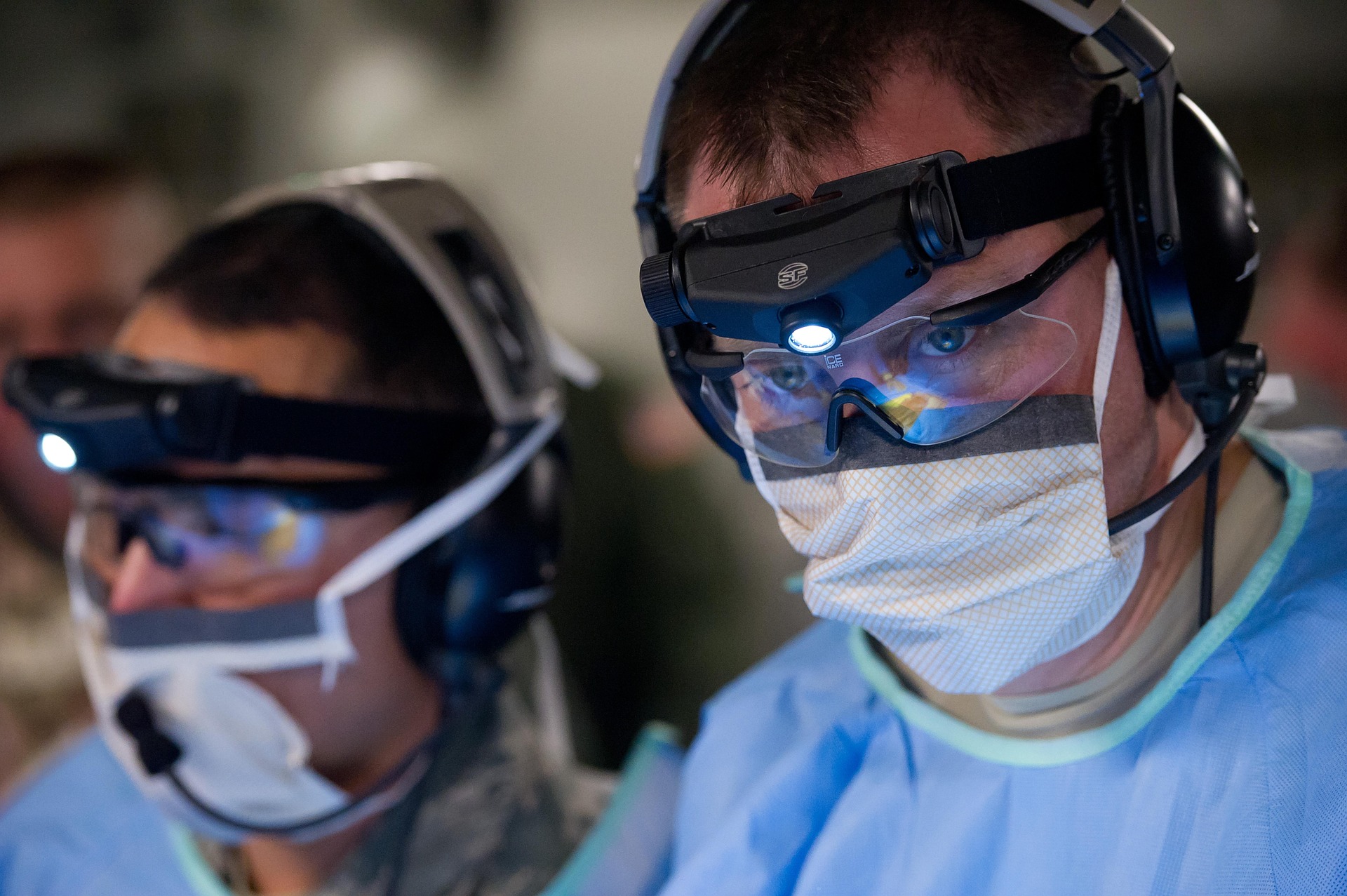
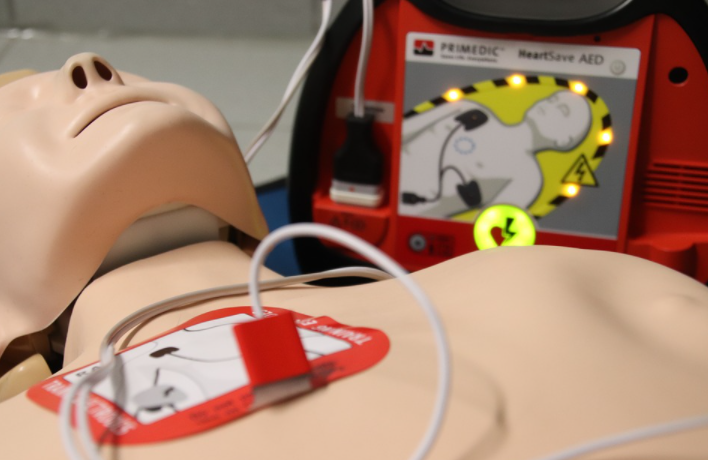
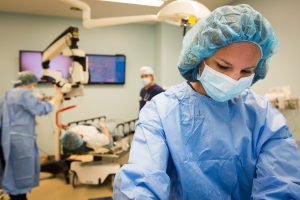 This is a technique to amplify real-life experiences with guided practices that replicate or evoke essential aspects of the real world in an interactive matter. Healthcare simulation uses a range of tools ranging from immersive simulated to life-like settings with anything you can find in a real hospital to virtual environments.
 Immersive simulations have been augmented in several curricula of many health-care schools. Social distancing measures shifted the educational programming to avoid students falling behind on graduation, and the simulations and graduations prevent the shortage of nurses in rural areas. The need for more health workers is amplified because of the coronavirus. In this time of forced isolation and social distancing, the simulation community and health-care simulation, educators have never been more singly focused and more connected as a whole on a single goal than today.