Revolution doesn’t happen overnight and requires a lot of work. However, the COVID-19 pandemic has affected many parts of the world and changed the healthcare industry. That said, advanced healthcare technologies are needed. One of them is healthcare simulation technology. You can learn more about it at https://www.anaes.fr/jcms/pprd_2974158/en/promouvoir-la-simulation-en-sante-pour-la-gestion-des-risques. In this article, we will examine the most revolutionary healthcare innovations that improve the healthcare quality.
Today’s world is a hub of gadgets and technology and brings immense progress in existence. With technology, all working companies face different degrees of advancement. While the challenges never go away, digitization has made the lifestyle easier and has changed numerous living areas. Are you interested in learning about some of these significant changes in the healthcare system? It’s time to look at some of the most significant ones to see the difference in your area immediately. Many of them have revolutionized, though others will likely take over in the coming decades.
Healthcare Simulation
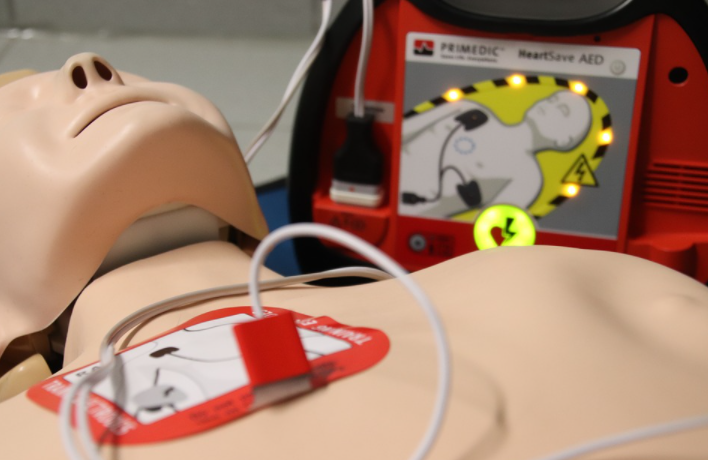
Healthcare simulation is a technology used to augment or enhance real-world experiences with guided exercises that interactively evoke or replicate crucial real-world features. Simulation in healthcare uses many different tools, from immersive or virtually recreated healthcare environments that contain virtually everything in a real clinical setting to enhanced virtual healthcare environments.
From immersive output, people alone or together with technologically advanced mannequins representing strange and normal anatomy could be interactive structures in which jelqing and non-emergent scenarios are performed to provide safe practice arenas for students without risk to patients or perhaps the possibility of psychological harm to students in a mistake were some individuals created. However, the normal drawback of electronic simulation, not just leaving functional training, has become a huge advantage as virtual simulation could fill the void in wellness training when medical arenas are closed.
Healthcare Internet of Things
Everyone has heard of the World Wide Web of Things (IoT), and it usually comes to mind when IT or software is mentioned. Wearable health devices that list software and data are also accessible for the same purpose. Wearables and apps are just one part of the IoT. The Internet of Things can quickly pass all information to machines in the hospital or clinic, making it more acceptable for nurses and doctors to worry about billing. To further expand IoT in healthcare, experts predict that patients will soon track appointments, time intervals, and step-by-step directions to their appointment. Each medication has a unique RFID, and with IoT, patients will check its validity by tracking the RFID.
Virtual Consultation
Experts asked people to stop going to the hospital or clinic because Corona’s patients kept them busy. The health of others was paramount, and they needed to stay protected. But you’ll never understand if another virus can cause a problem while you’re alive. That’s why medical experts turned to virtual counseling for help. Virtual consultaion makes it problematic for both parties: doctors and health care providers. Also, psychologists have taken advantage of this and assisted patients through network sessions. This is great news for everyone, as health experts can help anytime, anywhere.
Predictive Medicine and Healthcare Robots
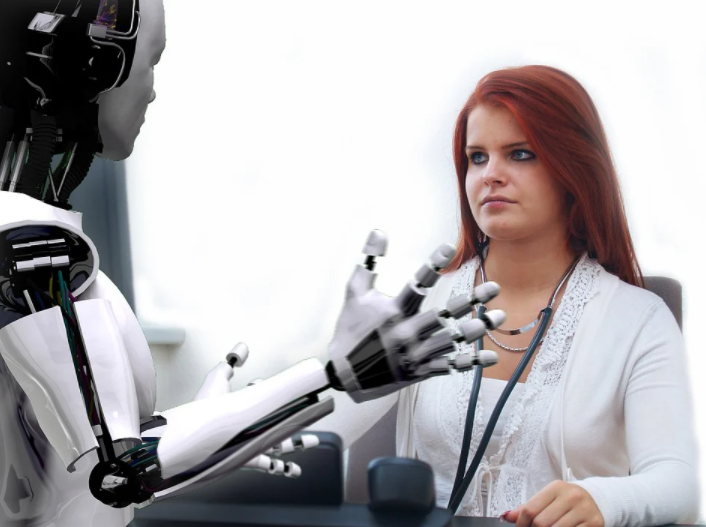
Genomics is a rapidly growing field in medicine. It helps the healthcare industry to present predictive medicine based on enzyme assessment. The moment they have the crucial information, inventing medicines will no longer be a problem. However, predictive medicines are more likely to come to the market soon. When any pathogen breaks through this natural barrier, a couple of indicators appear to help diagnose the circumstance. Robots, and also the wellness industry, are benefiting from this.

 With VR, medical staffs can create any operation and conduct it easily. Simulation of procedures, treatment of phobias, operation of robots, and some others are quickly adopted—the unique advantages of cooperation with virtual reality technologies in healthcare. The developers of digital reality technologies can create many benefits for the health of the user. It is excellent in today’s world and promotes the health process. It changes the user’s size and includes the first VR gesture.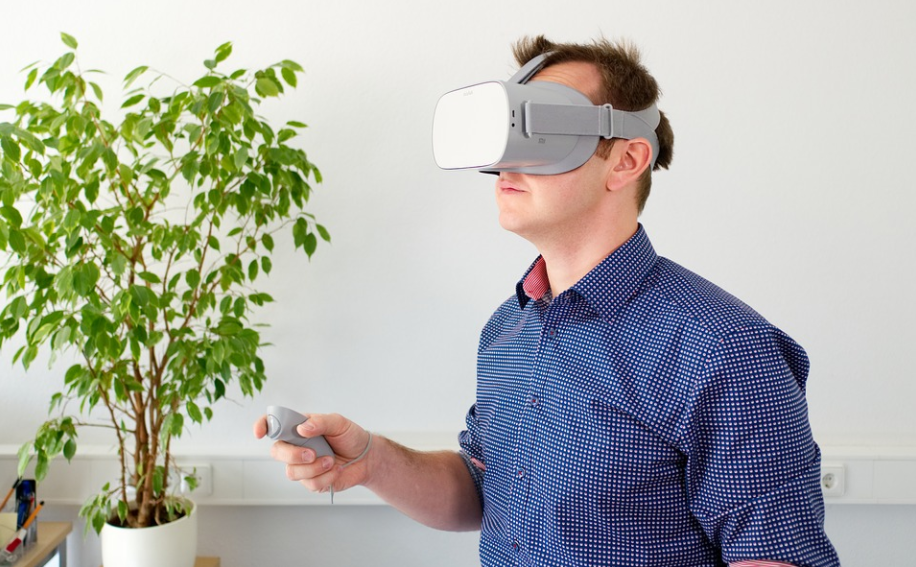
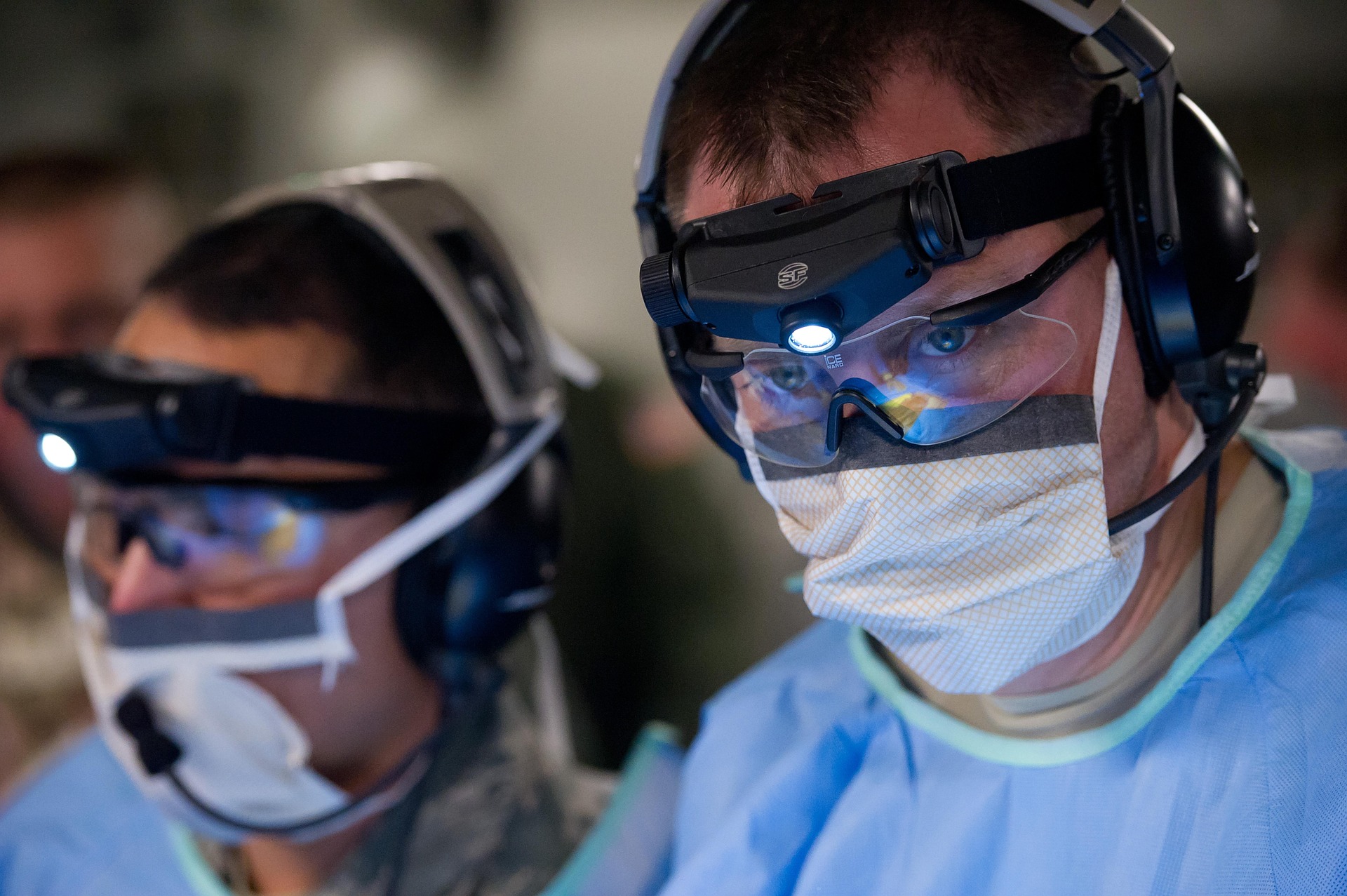
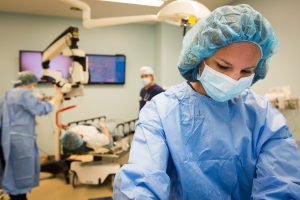 This is a technique to amplify real-life experiences with guided practices that replicate or evoke essential aspects of the real world in an interactive matter. Healthcare simulation uses a range of tools ranging from immersive simulated to life-like settings with anything you can find in a real hospital to virtual environments.
 Immersive simulations have been augmented in several curricula of many health-care schools. Social distancing measures shifted the educational programming to avoid students falling behind on graduation, and the simulations and graduations prevent the shortage of nurses in rural areas. The need for more health workers is amplified because of the coronavirus. In this time of forced isolation and social distancing, the simulation community and health-care simulation, educators have never been more singly focused and more connected as a whole on a single goal than today.